

A sudden doubling of your water bill usually comes down to a leak, a change in usage or a billing error. Here is the order of checks to run, and what to do if the bill turns out to be wrong.
A water bill that suddenly doubles is a jolt, and the first hour you spend on it matters more than a week of worrying. The cause usually falls into one of three groups: a leak you have not noticed, a real change in how your household used water, or a problem with the bill itself. This guide walks through the checks in order, starting with the ones you can finish today.
First, Rule Out the Obvious Changes
Before hunting for leaks, think through anything that changed since the last billing period. Utilities that handle high-bill questions tend to point customers here first, because the explanation is sometimes mundane.
- More people in the home, even for a few weeks. Guests, a new roommate or a visiting relative add flushes, showers and laundry loads.
- Seasonal outdoor use. Filling a pool, watering new sod or running irrigation regularly moves far more water than indoor habits do.
- A new address or new equipment. Hillsborough County’s utility lists changes in habits, more people in the home and a move to a new address as common reasons a bill climbs.
Next, compare this bill with the same month last year. The EPA suggests this comparison because a significant jump over the prior year can point to a leak you have not found. One benchmark applies to winter: if a family of four uses no water outdoors in winter and usage tops 12,000 gallons (16 hundred cubic feet, or CCF, a unit many bills use) in a month, the EPA considers a serious leak likely.
How to Read Your Water Meter for Hidden Leaks
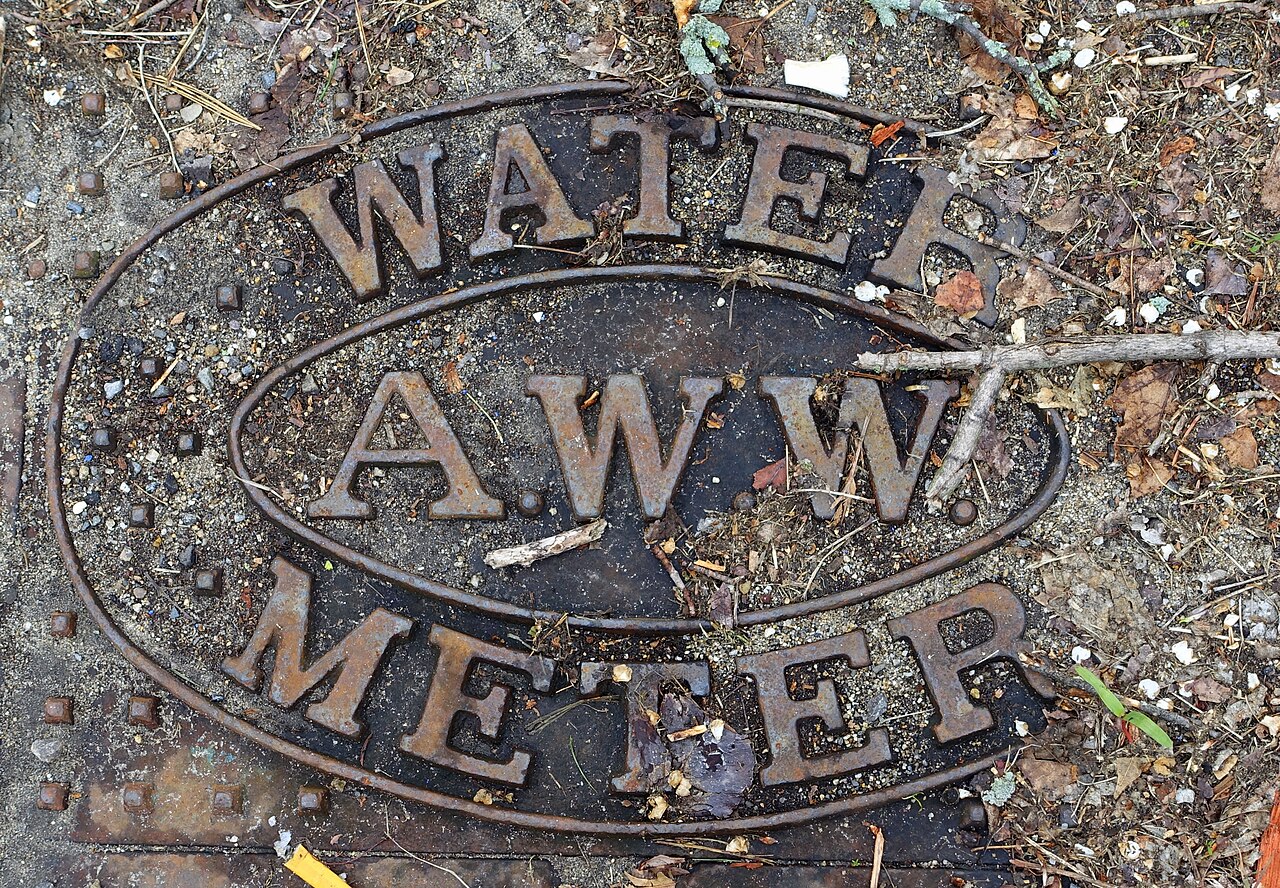
If nothing obvious explains the bill, the meter test is the fastest way to confirm or rule out a leak. Most residential meters sit underground near the curb in front of the home, in line with the main outside faucet, though some homes have the meter indoors, such as in a basement.
- Make sure nothing in the home is using water. Shut off ice makers, sprinkler timers and anything that draws water on its own.
- Check the meter number engraved on the meter against the meter number printed on your bill. Hillsborough County recommends this step, because reading the wrong box is possible on properties with more than one meter.
- Note the current reading, including where the red sweep hand sits on the dial.
- Leave every tap and appliance off for the next two hours, with no water running indoors or out.
- Read the meter again. If the reading changed at all, or the sweep hand moved, you probably have a leak.
Renters can run the same test if they can reach the meter, or ask the landlord or the utility to do it. If your utility has smart meters, its customer portal may show hourly usage, and water flowing around the clock is a strong sign of a leak.
If the numbers stay identical for the full two hours, your leak theory weakens and the bill itself becomes the suspect.
The Toilet Test and Other Common Culprits
A leak confirmed at the meter usually traces to one of a few usual suspects. Toilets lead the list, because many toilet leaks are silent and can go undetected for months.
The test costs nothing. Put several drops of food coloring, or a dye tablet if your utility hands them out, into the tank at the back of the toilet and do not flush. If color appears in the bowl within about 15 minutes, water is slipping from the tank to the drain without a flush. Flush afterward so the dye does not stain the tank.
The usual cause is a worn rubber flapper, the part that seals the tank between flushes. The EPA recommends replacing a flapper more than five years old, and the swap takes only a few steps and an inexpensive part.
Other culprits hide in plain sight:
| Suspect | How to check it | What the waste can look like |
|---|---|---|
| Toilet flapper | Food coloring in the tank | Thousands of gallons a year from a running toilet |
| Faucet or showerhead | Look and listen at each fixture | 15 to 20 gallons a day from a slow drip |
| Irrigation system | Run zones in daylight and inspect heads | Broken heads and detached drip lines lose water quietly |
| Water softener | Watch whether backflush runs nonstop | Continuous flow until the cycle is fixed |
A few details worth knowing:
- A pipe that drips once per second wastes more than 3,000 gallons a year, which the EPA compares to the water for more than 180 showers.
- Leaky showerhead connections can be tightened with pipe tape and a wrench, and faucet washers and gaskets should be checked for wear.
- Irrigation controllers deserve a look too. A dead battery can reset one to daily watering, and the EPA suggests running each zone briefly during the day to spot broken or missing sprinkler heads. Reading the meter before and after a watering cycle shows how much the system uses.
- Outdoor hose spigots can drip unnoticed for months, so include them in the walk-around.
Check the Bill Itself for Estimated Reads and Rate Changes
Not every spike reflects real usage. Some utilities read meters most months and estimate in others, when weather, access problems or staffing keep a reader away. An estimated read is a guess based on your past usage, and if the guess runs high, so does the bill. The correction usually shows up on a later bill once an actual read comes through.
You can catch this yourself. Compare the meter reading printed on your bill with the number showing on your meter. Hillsborough County tells customers that if the meter’s current reading is lower than the bill’s reading, the utility should hear about it; if the meter reads higher, the bill’s recorded read was correct and the usage itself is the question.
Scan the rest of the bill too. Look for a rate change, a new fee, a past-due balance carried over or a billing period longer than the usual month. Utility representatives can explain every line on the bill, so ask them to walk through anything unfamiliar before you assume the usage is the problem.
How to Dispute a Bill You Think Is Wrong
If the evidence points to a billing problem, start with the utility. Regulators generally expect customers to contact the company first, with a complete copy of the bill in hand and the customer service number from the front page.
- State the reason in writing. Seattle Public Utilities asks customers who dispute a charge to state why they are disputing it.
- Ask about the deadline. Procedures and time limits vary by utility. Greater Cincinnati Water Works requires dispute requests within 21 days of the bill due date, and customers there can request a hearing before the city’s Office of Administrative Hearings if the dispute is not resolved. Find out your utility’s deadline and when the clock starts.
- Expect to pay while the dispute is open. Seattle Public Utilities asks customers to pay disputed charges when the dispute begins, which protects the account from late fees if the dispute goes the other way. Ask your utility for its policy before deciding.
- Get a timeframe. Seattle sets a standard of 20 business days to initiate and resolve a dispute, with notice if a complex case needs longer. Your utility may differ, so ask.
Heads up: Deadlines for disputing a utility bill are often counted from the bill’s due date, and missing one can close off the dispute path entirely. Ask for the deadline and any required form the first time you call, and write down the date.
If the company does not resolve the problem, a state regulator may help. The California Public Utilities Commission assists customers of privately owned water and sewer utilities and asks them to call the company first. It does not cover municipal systems such as city water departments, so confirm whether your provider is investor-owned or city-run, then contact the matching regulator. Rules differ by state, so check with your state’s public utility commission.
Leak Adjustments and One-Time Credits Some Utilities Offer
If a genuine leak caused the spike and it is now repaired, ask about a leak adjustment before paying the bill in full. Many utilities review bills inflated by plumbing leaks and credit part of the excess usage. Hillsborough County, for example, offers a leak adjustment review to customers whose high bill traced back to a plumbing leak, provided the repair is complete, and Seattle Public Utilities maintains a formal leak adjustment policy for bills showing exceptionally high usage.
Details differ. Some utilities limit how often you can receive one, how far back an adjustment can reach or what proof of repair they require. Call, ask what the program covers and get the application requirements in writing. An adjustment is never guaranteed, but the request costs nothing, and utilities that offer it handle these calls regularly.
Keeping a Surprise Spike From Happening Again
Once the current problem is settled, a few routines make the next spike far less likely.
- Sign up for leak alerts if your utility offers them, so unusual usage gets flagged automatically.
- Compare each bill to the same month of the previous year, which the EPA recommends as a regular leak check.
- Do a yearly fixture check for worn flappers, dripping faucets and leaking showerheads. The EPA’s Fix a Leak Week each March exists to prompt exactly this round of checking.
- Test your water pressure with an inexpensive gauge on the hose bibb. Fixtures operate best with incoming pressure between 45 and 60 pounds per square inch, and many homes have a pressure-regulating valve to hold pressure in that range.
- Consider a leak detection or flow monitoring device. These systems can alert you to irregular usage, detect unintended moisture or even trigger a shut-off valve. The EPA suggests checking any installed device once a year to confirm it still works.
Using less water overall lowers the stakes of any single leak, too. The habits that trim everyday usage are the same ones that make an odd bill easier to spot, and our guide to Simple Ways to Use Less Water at Home walks through them.
A doubled water bill almost always has a findable cause, whether the trail ends in a repair, a corrected read or an adjustment. If steadier utility costs appeal to you beyond this one bill, see Getting Started With Utility Budget Billing Plans for how averaging plans work and their trade-offs, or Lowering Your Energy Use at Home Without Big Spending for trimming the other charges that often share the same statement.
Quick wins
- Read your water meter, wait two hours with no water use, then read it again. Any change in the reading points to a leak somewhere in the home.
- Toilet leaks are the most common culprit. Food coloring in the tank that appears in the bowl within about 15 minutes confirms a leak, often a worn flapper.
- Compare the bill to the same month last year and check it for estimated reads, rate changes and fees before assuming the usage is real.
- Ask your utility about its dispute deadline, which may run from the bill due date, and about a leak adjustment if you have repaired a leak.
- The EPA says the average household’s leaks can add about 10 percent to a water bill and waste nearly 10,000 gallons a year.
You might be wondering
How long should I wait between meter readings?
Two hours, with every faucet, appliance and sprinkler off. If the reading moves at all in that window, water is going somewhere it should not.
Do I still pay a disputed water bill?
Some utilities, including Seattle Public Utilities, ask customers to pay disputed charges while the dispute is open. Ask your utility for its policy, since practices differ.
Can renters run the meter test?
Yes, if you can access the meter, or you can ask the landlord or the utility to do it. Some utilities with smart meters also show hourly usage in an online portal.
What is a leak adjustment?
A review some utilities offer that credits part of a bill inflated by a plumbing leak, usually after you repair it. Eligibility and limits vary by provider.
These tips are general information. Prices, plans and programs vary by provider and location, so check the details with your provider before you switch or sign up.