
The National School Lunch Program can lower a recurring cost for many families. Here is how eligibility works, what the application asks for and what happens after you submit it.
For families watching every line of the budget, school meals are one of the few costs that can shrink with a single form. The National School Lunch Program (NSLP), a federally assisted program that helps schools serve meals to students, offers free and reduced-price meals to children whose households meet income guidelines. The questions parents ask most are straightforward: who qualifies, what the form asks for, and what happens after it is turned in. Here are those answers in plain terms.
What Are Free and Reduced-Price School Meals?
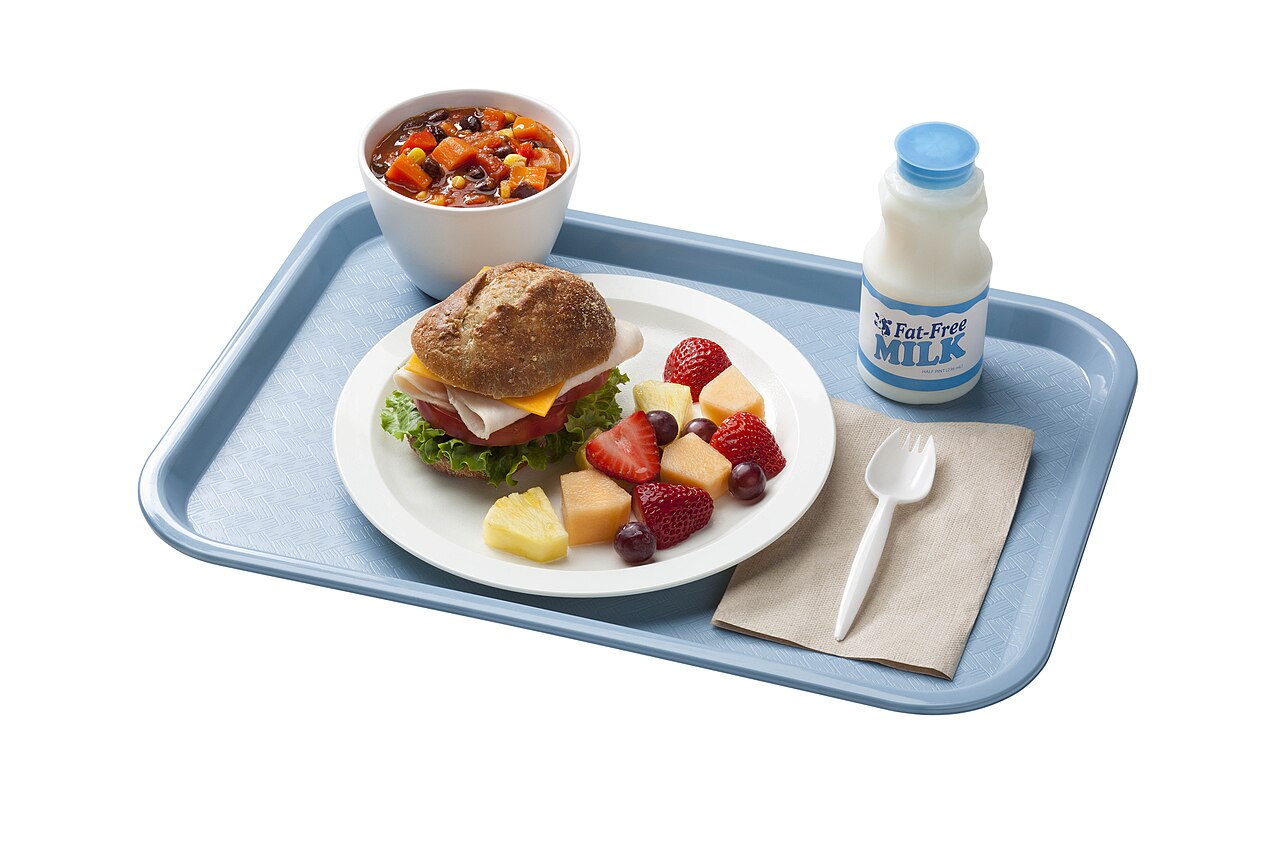
They are school meals offered at no charge, or at a reduced charge, to children whose households meet income guidelines. The same federal framework covers the National School Lunch Program and the School Breakfast Program, the federal program that helps schools serve breakfast. State education agencies oversee the programs, and schools that take part agree to serve meals meeting federal requirements. Reduced price does not mean free. It means a meal sold at a lower charge than a full-price meal. In North Carolina, for example, students approved for reduced-price meals receive them at no cost. Ask your district what an approval covers and what, if anything, it charges.
Who Qualifies, and How Do the Income Guidelines Work?
Eligibility rests on two things: household size, meaning the people who live together and share income and expenses, and the household’s total income. The U.S. Department of Agriculture (USDA) sets the Income Eligibility Guidelines, the income limits used to process applications, and updates them each year. The current guidelines run from July 1, 2025 through June 30, 2026. Children from households with income at or below the listed levels qualify for free or reduced-price meals. If your income sits close to the limit, apply anyway; the school makes the call using the figures you report.
Some children qualify without any form at all. Children in households receiving Supplemental Nutrition Assistance Program (SNAP) benefits, formerly known as food stamps, or Cash Assistance, formerly known as TANF, are automatically eligible for free meals. Children whose care a social services agency or court is responsible for qualify based on their status rather than income, no matter how much the household they live with earns.
Worth a look: If your household receives SNAP or Cash Assistance, your children are certified automatically through direct certification, so you do not need to fill out a meal application.
How Do You Apply, and What Paperwork Should You Expect?
You fill out one application for your household and return it to your child’s school or the district’s school nutrition office. You can pick up a paper application in the office of any school that participates in the program, and schools commonly send them home near the start of the year. By rule, applications cannot be posted or distributed before July 1, the same date the updated income guidelines take effect. Before you start, it helps to have:
- The names of everyone in the household
- Income information for each member
- A signature from an adult household member
Many districts offer an online version, which the state agency must review and approve each school year before schools can use it. Schools also publish an annual public media release, a notice listing the income scales for both free and reduced-price meals, so you can see where your household falls before you apply. Materials are offered in more than one language; if your family needs another, ask the school. Districts can arrange translations, and the USDA publishes “I Speak” statements that help schools identify language needs.
What Happens After You Submit the Form?
The information you list on the application is what the school uses to determine your child’s eligibility, so it pays to double-check the figures before you hand the form in. If the office needs more information to finish its review, respond promptly so the decision is not held up. Families receiving SNAP or Cash Assistance skip this step entirely, because the determining official, the school staff member responsible for eligibility decisions, certifies those children automatically through direct certification. Keep a copy of what you submitted, since other school programs may later ask for proof of approval. If your application is approved, ask the school when the benefit starts and how meals are recorded in the lunch line, because procedures differ from district to district.
Do the Benefits Follow Your Child Through the Year, Including Summer?
Ask your school how long an approval lasts and whether you need to submit a new form, since practices vary from one district to another. Summer looks different for every family. When the school year ends, the meals the program covered shift back to the grocery budget, which is one reason summer food costs can climb. Many communities run meal programs for children during those months, but details differ by state and by area. Check with your school district or your state’s child nutrition agency to learn what operates near you and who qualifies.
What Other School Costs Can an Approval Reduce?
Meal approval can matter beyond the cafeteria, but the rules vary widely by state and district. In some states and districts, a meal approval is also used when setting or waiving other school costs, so ask the school office directly which programs, if any, use it and what documentation they need. Your state agency’s child nutrition pages can confirm how eligibility is handled where you live. Also worth knowing: schools that participate in the National School Lunch Program often run the School Breakfast Program as well, and many offer extras such as afterschool snacks or fresh fruit and vegetable programs, so a single approval can sometimes cover more than one meal a day.
Free or reduced-price meals can take a steady bite out of the weekly budget, but groceries still cover breakfasts, dinners and weekends. Our guide to the real cost of feeding a family of four shows where that money typically goes, and how to save when there’s almost nothing left over offers small routines for households with little room to spare.
Quick wins
- Eligibility for free and reduced-price meals is based on household size and income, using federal guidelines the USDA updates each year.
- Children in households receiving SNAP or Cash Assistance are certified automatically through direct certification and do not need to fill out an application.
- You can pick up a paper application in the office of any participating school; it must list all household members and be signed by an adult household member.
- Children placed in a household by a social services agency or court qualify for free meals regardless of that household’s income.
- In North Carolina, students approved for reduced-price meals receive them at no cost; ask your district what the charge is, if any.
You might be wondering
Do families receiving SNAP still need to apply?
No. Children in households receiving SNAP or Cash Assistance are certified automatically through direct certification, so no meal application is needed.
When can we get an application?
Schools cannot post or distribute applications before July 1, so forms typically arrive around the start of the school year. You can also pick one up in the office of any participating school.
Where can I check the current income limits?
The USDA publishes the income eligibility guidelines through its Food and Nutrition Service, and schools list the same scales in their annual public media release.
What does reduced price actually cost?
Reduced-price meals are sold at a lower charge than full-price meals, and in North Carolina students approved for reduced-price meals receive them at no cost. Ask your district what, if anything, it charges.
These tips are general information. Prices, plans and programs vary by provider and location, so check the details with your provider before you switch or sign up.