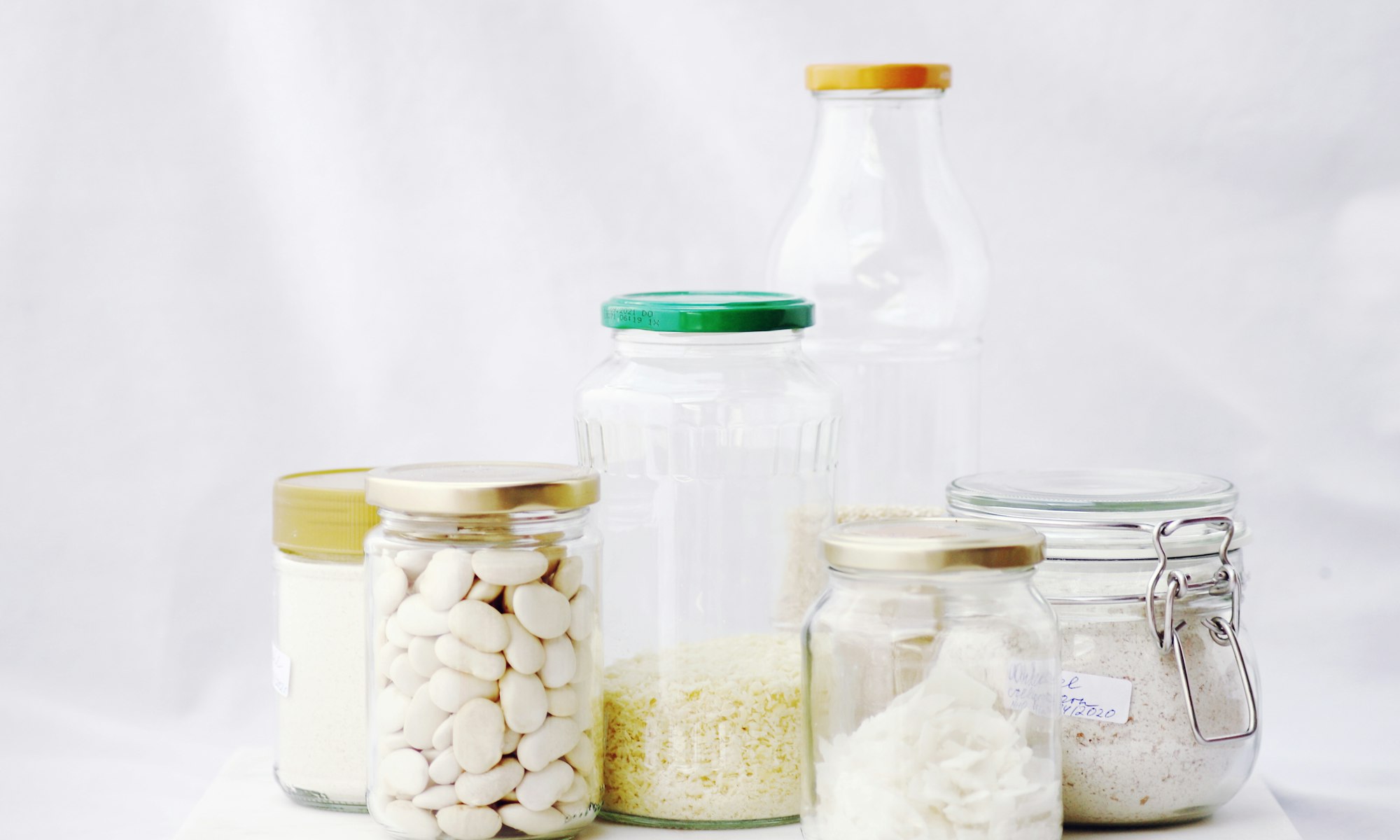


A membership fee is the only cost you can count on. The savings depend on your household, your storage space and how you actually shop.
Warehouse clubs sell goods in bulk at low prices per unit, but only to shoppers who pay an annual fee before they can buy anything. Whether that fee pays for itself is not a general question with one answer. It depends on your household: what you actually buy, how much storage you have, how close the nearest club is, and how often you will realistically shop there. Here is a plain breakdown of the costs, the purchases that tend to save money, and the ones that quietly do not.
What Does a Membership Cost, and What Do You Get?
Three major warehouse clubs operate in the United States: Costco, Sam’s Club and BJ’s Wholesale. All three require a paid annual membership before you can buy anything. The basic tiers cost $65 a year at Costco, $50 at Sam’s Club and $60 at BJ’s. Premium tiers add a 2 percent annual reward on spending: Costco’s costs $130 and caps the reward at $1,250, while the premium tiers at Sam’s Club and BJ’s cap it at $500.
| Club | Basic annual fee | 2% reward cap (premium tiers) |
|---|---|---|
| Costco | $65 | $1,250 |
| Sam’s Club | $50 | $500 |
| BJ’s Wholesale | $60 | $500 |
Clubs carry a far smaller selection than a supermarket. Costco stocks around 4,000 items and leans on its private label, Kirkland Signature, which covers about 300 products; Sam’s Club’s Member’s Mark line spans more than 600. Beyond groceries, clubs typically run gas stations, pharmacies, optical departments and tire centers, and many offer travel booking, insurance and home services. Costco also accepts returns on most items with few limits and will refund its membership fee at any time. Fees, tiers and policies change, so check each club’s own site before you join.
How Much Do You Need to Spend to Break Even?
You break even when your estimated yearly savings exceed the fee, and one common approach takes three steps. First, assume savings of 5 to 15 percent on the non-perishable staples you will actually buy in bulk. A household spending about $150 a month on qualifying staples at 10 percent savings sets aside roughly $180 a year. Second, add fuel: club gas stations typically charge about 5 to 25 cents per gallon less than the local average, so a household buying 500 gallons a year at 15 cents less saves about $75. Third, subtract the fee. Estimated savings of $255 against a $65 fee leaves a comfortable margin.
The premium tiers have their own threshold. Costco’s 2 percent reward alone pays for its $130 upgrade once a household spends $270 or more per month there; below that, the basic tier is usually the safer bet.
Money saver: Run the numbers on the low end of every estimate. If the membership only works at 15 percent savings on everything you buy, it probably does not work.
Which Items Are Genuinely Cheaper in Bulk?
Non-perishable staples tend to offer the most reliable savings. Paper goods, cleaning supplies, toiletries and pantry items are the categories that usually shine, and Costco in particular is known for low unit prices on toilet paper, cooking oil, butter, eggs and rice. Kirkland Signature items typically run 20 to 40 percent below comparable name brands.
Cheaper here means cheaper per unit, not just cheaper looking. A unit price is the cost per pound, ounce, quart or count, and comparing it across sizes and stores is the only reliable way to judge a bulk deal, as we explain in unit pricing. Warehouse prices are not automatically the lowest. Weekly specials at grocery stores can beat the club price, so check your usual stores before assuming the club wins every time. BJ’s adds one wrinkle: it is the only warehouse club that accepts manufacturer coupons, and stacked with the club’s own digital coupons, individual items can come out cheaper there than anywhere else when a good coupon is available.
Which Bulk Buys End Up Costing More?
The clearest candidate is anything you will not finish. A low price per ounce means nothing if half the package gets thrown away, a common fate for bulk produce, bakery items and frozen food that sits unnoticed in the freezer.
The second candidate is anything you bought only because it looked like a deal. Big club aisles are full of items that were never on your list, and the same pause that helps with ordinary impulse buys, the 24-hour rule, works here too. The third is the assumption that the club always has the lowest price. Shoppers who skip the comparison often miss cheaper specials elsewhere, and knowing how to tell a genuine discount from a marketing one helps at the club and everywhere else, as we cover in are sale prices real.
What About Perishables and Household Size?
Perishables need a plan. Produce and bakery items can spoil before you finish them if you overbuy, and frozen food goes to waste when nobody tracks what is in the freezer. Storage matters just as much. Bulk packs of paper towels, pantry staples and cleaning supplies take up real space, and a small apartment can run out of room quickly.
Household size shapes the math too. Larger households and frequent entertainers finish bulk packs before they go bad, which is why they tend to get the most out of a membership. Smaller households can still make it work by sticking to non-perishables they will certainly use, choosing a club that sells smaller bulk sizes, or splitting large packs with another household.
Are the Other Perks Like Gas, Pharmacy and Travel Worth Counting?
They can be, but only the ones you will genuinely use. Club gas is the most commonly cited perk, and many families justify the fee on fuel alone given the typical discount of 5 to 25 cents per gallon against the local average. Pharmacies, optical departments, tire centers, travel booking and home services add real value for some members and nothing for others.
Convenience matters as much as the perk list. Costco and Sam’s Club each operate around 600 clubs nationwide, while BJ’s runs roughly 280, all on the East Coast. A club near your regular routes means quick fill-ups and grocery runs; one far away means special trips that burn time and gas, which eats into the savings. App and delivery perks help too: Sam’s Club’s Scan & Go skips the checkout line, and its Plus tier includes free shipping on many online orders.
Who Does a Warehouse Club Suit, and Who Should Skip It?
A membership tends to suit three kinds of households: larger families or frequent entertainers who will finish bulk packs, regular drivers who live near a club with a gas station, and anyone with the pantry or freezer space to store purchases. It works less well for small households without storage, for shoppers who would visit only a few times a year and never recoup the fee, and for anyone who would shop at the club while ignoring cheaper specials at their usual stores.
The fee is the one thing you can count on; the savings are not automatic. They come from buying the right items in quantities you will actually use, at prices you have checked against the alternatives.
If you want to test the idea before committing, pull a few receipts from your usual grocery trips and compare unit prices against what the club charges, either by touring the store first or by browsing its website. Our guide to grocery shopping on a budget covers the habits that keep the total bill down either way.
Quick wins
- Basic memberships cost $50 a year at Sam’s Club, $60 at BJ’s and $65 at Costco, with premium tiers paying a 2 percent annual reward.
- A common break-even estimate assumes 5 to 15 percent savings on the bulk items you actually buy, plus a few cents off each gallon of gas.
- Non-perishable staples such as paper goods and pantry items tend to save the most; perishables you cannot finish cost you money.
- Club prices are not always the lowest, so compare the unit price against weekly specials at your usual stores.
- Larger households with storage space and a nearby club get the most value; small households may not spend enough to cover the fee.
You might be wondering
How much do I need to spend at a warehouse club to break even?
Enough that your estimated yearly savings exceed the annual fee. One common estimate is 5 to 15 percent savings on bulk staples, so about $150 a month spent there at 10 percent savings covers a typical fee.
Which groceries are worth buying in bulk?
Non-perishables such as paper goods, cleaning supplies and pantry staples tend to save the most. Compare the unit price against your usual store before assuming the club wins.
Which warehouse club has the cheapest membership?
Sam’s Club’s basic tier is $50 a year, BJ’s is $60 and Costco is $65. Fees and policies change, so check each club’s site before you join.
Can I get a refund if the membership is not worth it?
Costco will refund its membership fee at any time. Other clubs set their own refund policies, so ask before you sign up.
These tips are general information. Prices, plans and programs vary by provider and location, so check the details with your provider before you switch or sign up.